
Winter Mold Risks From Clogged Gutters in LI
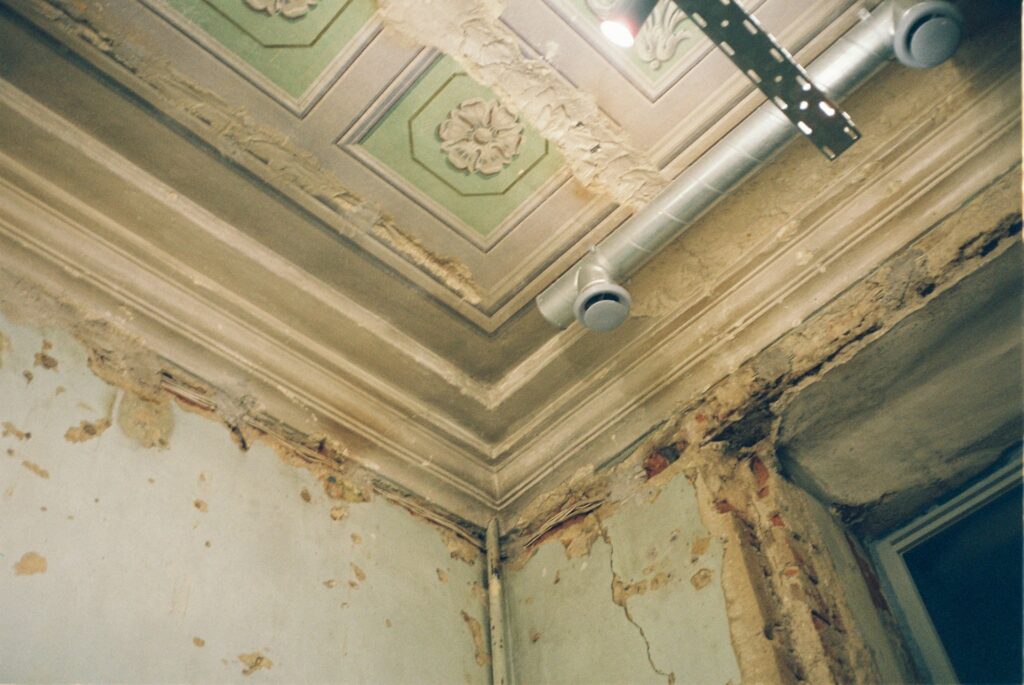
As winter settles in across Long Island, it’s easy to focus on staying warm and navigating holiday plans. But there’s one issue that often slips under the radar—clogged gutters. When gutters fill up with leaves and debris in late fall and early winter, they stop sending water safely away from the house. Instead, they trap that moisture, and before long, extra water begins setting the stage for serious trouble.
One of the biggest risks is mold. Snow, rain, and freezing temperatures combine with blocked gutters to create damp environments that never dry out completely. And that’s where mold likes to hide—out of sight, in cold shaded corners and beneath roof edges. Gutter cleaning in Long Island helps stop the issue before mold can get a foothold and spread to your roof, walls, or siding.
How Gutters Get Clogged in the Lead-Up to Winter
During November and early December, Long Island’s leafy trees lose a big chunk of their canopy. Those leaves don’t just carpet yards—they fill gutters, especially when wind kicks debris into roof valleys and corners. Pine needles, twigs, and even bits of bark and acorns end up collecting in downspouts, squeezing into places you can’t always see from the ground.
The first cold rains or snow showers turn all that dry material into a wet, sticky mess. Moisture soaks the pile and by nightfall, the mess can freeze over. As winter days pass, these clogs rarely have a chance to dry out, turning heavier and harder for water to bypass. Every passing storm just adds to the blockage, raising the odds that trapped water sits longer than it should.
Cold Weather and Hidden Moisture Buildup
Cold weather changes how water moves on your home. When gutters are clear, snowmelt and rain escape easily. But blocked systems trap standing water, especially in low spots and along long gutter runs. Melting sometimes happens by day, but overnight temps drop and moisture freezes again. Those icy patches rarely dry out on their own.
Shady sides of a house—the north-facing wall or areas beneath big evergreens—take much longer to drain and dry. This is where mold tends to show up first, hiding in corners and slow-drying gutter seams. Water that cannot drain sometimes backs up under roof shingles or seeps into attic spaces, especially when ice dams form along the edge of the roof.
Professional gutter cleaning in Long Island, such as from Gold Star Pressure Wash, examines gutter joints, flushes out hidden clogs in downspouts, and inspects high-risk spots for ice buildup or missed debris before deeper freezes arrive.
Why Trapped Moisture Leads to Mold Growth
Once moisture sticks around, mold can move in fast. Clumps of frozen leaves and organic debris don’t just block the system—they feed mold spores as soon as the sun comes out and temperatures rise above freezing, even for a few hours each day. The freeze-thaw cycle keeps things damp and ready for mold to thrive.
That same moisture sometimes sneaks into more than just the gutter. When water touches fascia boards or seeps into the edges of the roof beneath overhangs, it keeps the wood below damp. Once inside, mold doesn’t need much to get started. Damp insulation or wood right inside the attic can be enough for mold to spread, often unnoticed until musty smells or water stains show up in hard-to-reach places.
What to Watch for Around Your Gutters This Season
Even if you cannot always see inside gutters, the following signs can signal a problem:
- Water spilling over during rain or melting snow
- Clusters of icicles near downspouts, joints, or gutter corners
- Gutters that sag or separate from the fascia
- Unusual odors near attic vents or upper corners of the house
- Discoloration, dark streaks, or staining below rooflines
Catching these signs early can make a difference. Addressing issues before more heavy snow builds up helps keep water moving where it should and avoids giving mold a head start in cold weather.
Cleaning Now Saves Time and Trouble Later
Just because it’s winter doesn’t mean mold takes a pause. In fact, it’s a season when dampness can quietly creep in and linger for months. Clearing gutters even in December or January can make a big impact, giving your whole drainage system a running start as winter storms hit.
Earlier gutter cleaning in Long Island means fewer frozen blockages and less chance for problems that don’t surface until spring. Professional cleanings help prevent ice dams, keep snow runoff moving off the roof, and stop water from seeping beneath shingles. Properly cleared gutters ensure that every melt gets drained away, not trapped where it shouldn’t be.
Gold Star Pressure Wash uses hands-on removal, careful rinsing, and checks at every step to make sure gutters and downspouts are ready for weather swings—preparing homes for whatever winter brings.
Stay Mold-Free Through Winter and Beyond
Cold weather shouldn’t give mold the advantage. When gutters are ignored after late fall, it’s easy for hidden moisture to set the stage for mold that won’t show itself until much later. Staying alert and taking early action makes it possible to head off trouble before ceilings, siding, or attic insulation are affected.
A little attention now protects your home for months to come. Clean gutters move water out quickly, keep the roofline dry, and remove one of the biggest hidden risks of winter mold. By keeping drainage on track, you make it easier for your home to stay healthy and comfortable long after the coldest days have passed.
Noticing overflow or blocked gutters? Colder weather can make minor issues much worse fast. At Gold Star Pressure Wash, we help prevent winter damage with dependable gutter cleaning in Long Island that keeps runoff flowing and your home protected all season long.