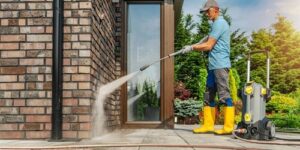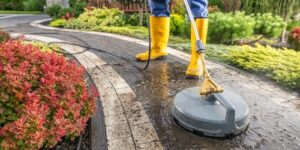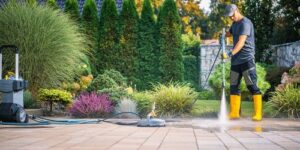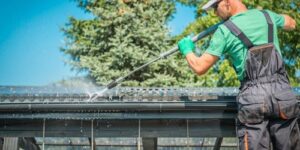

Keeping your home’s exterior clean does more than improve curb appeal. Regular pressure washing house maintenance helps remove dirt, algae, mold, mildew, pollen, and other contaminants that can shorten the lifespan of siding, decks, concrete, and other outdoor surfaces. But one of the most common questions homeowners ask is how often should you pressure wash your house?
The answer depends on your home’s materials, local climate, surrounding trees, and how quickly dirt and organic growth build up. While many homes benefit from annual cleaning, some surfaces require more frequent attention than others. This guide explains how often to pressure wash house exteriors, what signs to watch for, how cleaning schedules vary by surface, the best time of year to pressure wash, when it’s worth hiring a professional, and how to maintain your home’s exterior between cleanings.
How Often to Pressure Wash Your House (By Surface Type)
There isn’t a one-size-fits-all answer to how often you should pressure wash your house because every exterior surface ages and accumulates dirt differently. Vinyl siding, brick, decks, and concrete all have their own maintenance needs based on how they’re built and how they’re exposed to the elements. The table below compares the recommended cleaning frequency for the most common exterior surfaces so you can quickly determine what schedule makes the most sense for your home.
| Surface | Recommended Frequency | Why It Matters |
|---|---|---|
| Vinyl siding | Every 1 to 2 years | Removes dirt, algae, and mildew before stains become permanent. |
| Brick or masonry | Every 2 to 3 years | Cleans away pollution, moss, and organic growth without excessive washing. |
| Stucco | Every 2 years | Prevents mold and mildew while protecting the finish. |
| Wood deck | Every 1 to 2 years | Removes slippery buildup and prepares the surface for staining or sealing. |
| Composite deck | Annually | Keeps dirt, mildew, and pollen from accumulating between boards. |
| Concrete driveway | Once per year | Eliminates oil stains, dirt, algae, and tire marks. |
| Patios and walkways | Annually or as needed | Maintains appearance and improves safety by reducing slippery growth. |
If your property sits beneath large trees, near the coast, or in a humid environment, your pressure washing frequency may need to increase because moisture encourages algae and mildew growth.
Factors That Determine Pressure Washing Frequency
No two homes require the exact same cleaning schedule. Several factors influence how often pressure wash services are needed.
- Climate: Humid regions encourage mold, algae, and mildew growth much faster than dry climates.
- Trees and Landscaping: Trees drop sap, pollen, leaves, and organic debris that stick to siding and outdoor surfaces.
- Sun Exposure: North-facing walls often stay damp longer, making them more susceptible to algae buildup.
- Nearby Roads: Homes near busy streets collect dust, dirt, and vehicle exhaust more quickly.
- Exterior Material: Some materials hold moisture longer or show dirt sooner than others.
A home exposed to several of these conditions may benefit from yearly cleaning, while others can safely wait longer between services.
Signs Your House Needs Pressure Washing
Instead of relying only on a calendar, pay attention to your home’s exterior. These signs usually indicate it’s time for cleaning:
- Green or black streaks on siding
- Mold or mildew growing near shaded areas
- Dirt that doesn’t rinse away with a garden hose
- Pollen buildup after spring
- Slippery algae on patios, decks, or walkways
- Stained concrete or driveway surfaces
- Spider webs, insect nests, and accumulated debris around entryways
Addressing these problems early is often easier than removing years of built-up grime.
Pressure Washing Siding vs Deck vs Driveway: Different Schedules
If you’re planning to clean your home’s exterior, it’s helpful to know that not every surface should be treated the same way. Factors like foot traffic, moisture, weather exposure, and the material itself all influence how often cleaning is needed. The table below compares siding, decks, and driveways so you can understand the maintenance needs of each.
| Cleaning Criteria | Siding | Deck | Driveway |
|---|---|---|---|
| Primary Purpose | Removes dirt, algae, pollen, and mildew to protect your home’s exterior and improve curb appeal. | Eliminates organic buildup that creates slippery surfaces while preparing the wood or composite for sealing or staining. | Removes oil stains, tire marks, algae, dirt, and debris to improve appearance and safety. |
| Typical Cleaning Frequency | Every 1 to 2 years for most homes. | Every 1 to 2 years, or before refinishing the surface. | About once per year, depending on traffic and staining. |
| Common Causes of Dirt | Air pollution, pollen, mildew, insects, and tree debris. | Moisture, leaves, algae, food spills, and outdoor furniture stains. | Vehicle traffic, oil leaks, mud, leaves, and weather exposure. |
| Cleaning Considerations | Many siding materials are best cleaned using soft washing techniques rather than excessive pressure. | Wood requires the correct pressure to prevent splintering, while composite materials need manufacturer-approved methods. | Concrete typically tolerates higher pressure than siding or wood, allowing for more aggressive stain removal. |
| Main Benefit | Extends the life of your exterior while keeping the home looking well maintained. | Improves safety and helps preserve the deck’s finish. | Restores curb appeal and reduces slip hazards caused by algae or moss. |
While every surface benefits from regular maintenance, each one should be cleaned using methods that match its material. A professional can safely pressure wash siding, perform pressure washing deck services, and clean concrete without causing accidental damage.
Best Time of Year to Pressure Wash Your House
The best time to pressure wash your home is typically during the spring or fall.
Spring cleaning removes pollen, dirt, and winter residue before the outdoor entertaining season begins. Fall cleaning eliminates leaves, mold, and debris before colder weather arrives.
Avoid scheduling service during freezing temperatures since water can freeze on surfaces. Extremely hot summer days can also cause cleaning solutions to dry too quickly before they have time to work effectively.
DIY Pressure Washing vs Hiring a Professional
If you’re planning to pressure wash house exteriors, one of the biggest decisions is whether to handle the project yourself or hire a professional. Equipment, safety, cleaning quality, and the time required can all affect the final results. The comparison below breaks down the key differences to help you determine which option is the better fit for your home and project.
| Comparison Criteria | DIY Pressure Washing | Professional Pressure Washing |
|---|---|---|
| Equipment | Consumer-grade machines may struggle with stubborn stains or large surfaces. | Commercial equipment delivers consistent cleaning while allowing technicians to adjust pressure for different materials. |
| Safety | Improper handling can lead to injuries or accidental damage to siding, windows, or landscaping. | Experienced technicians understand proper techniques and use the correct settings for each surface. |
| Cleaning Quality | Results vary depending on experience and equipment. | Delivers a more uniform finish with better removal of algae, mold, and embedded dirt. |
| Time Required | Can take an entire weekend for an average-sized home. | Most residential projects are completed much faster with professional crews. |
| Overall Value | Lower upfront cost but greater risk of costly mistakes or incomplete cleaning. | Higher initial investment but often saves time while reducing the risk of damage. |
For delicate surfaces like painted siding, stucco, roofs, and wood decks, professional cleaning provides added peace of mind.
When Should You Hire a Professional for Pressure Washing?
While some homeowners choose to pressure wash their own properties, there are situations where hiring a professional is the safer and more effective option. Experience, proper equipment, and the right cleaning methods can make a big difference, especially when working with delicate surfaces or stubborn buildup.
Consider hiring a professional if:
- Your home has multiple stories or difficult-to-reach areas.
- You’re cleaning delicate materials such as stucco, painted wood, or older siding.
- The exterior has heavy algae, mold, mildew, or years of built-up dirt.
- You don’t have access to the proper equipment or aren’t comfortable using a pressure washer.
- You’re preparing your home for painting, selling, or hosting a special event and want the best possible results.
Professional pressure washing companies know how to adjust pressure levels for different materials and use the appropriate cleaning techniques to avoid unnecessary damage. Whether you’re cleaning siding, concrete, or a deck, professional service can save time while helping protect your home’s exterior.
Pressure Washing Cost: What to Expect
One of the first questions homeowners ask is about pressure washing cost.
Pricing depends on several factors, including:
- Size of the home
- Type of siding or surface
- Amount of dirt and staining
- Accessibility
- Additional services such as deck, patio, driveway, or gutter cleaning
Rather than focusing only on price, consider the experience of the company, the equipment they use, and whether they adjust cleaning methods based on your home’s exterior. An experienced contractor can recommend the safest approach for each surface while helping extend the life of your property.
How to Maintain Your Home Between Pressure Washings
Regular maintenance can help your home stay cleaner between professional visits.
Some simple habits include:
- Rinse heavy pollen from siding with a garden hose.
- Keep gutters clear to reduce water stains.
- Trim shrubs and tree branches that trap moisture against the house.
- Sweep leaves and debris from decks and patios.
- Clean spills on driveways before they become permanent stains.
- Watch for early signs of algae or mildew, especially in shaded areas.
These small tasks reduce buildup and help maintain your home’s appearance throughout the year.
Keep Your Home Looking Its Best Year After Year
There isn’t a single answer to how often you should pressure wash your house, but most homeowners benefit from professional cleaning every one to two years, with certain surfaces requiring annual maintenance. Paying attention to your home’s environment and recognizing early signs of buildup can help you schedule cleaning before dirt, algae, and mildew become more difficult to remove.
Whether you need your siding, driveway, deck, or patio professionally cleaned, Gold Star Pressure Wash provides safe, effective exterior cleaning solutions that help protect your investment and keep your home looking its best.