
Helpful Advice from the Local Experts

Pressure Washing Tips & Property Care Insights

Explore our blog for expert tips, seasonal maintenance advice, and practical insights to keep your home or business exterior clean, protected, and looking its best year-round.

How Pressure Washing Keeps Your Driveway Safer In Winter

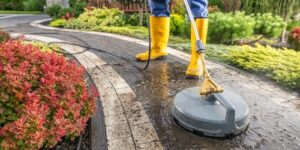
Winter can make home maintenance feel more unpredictable than usual, especially when it comes to your driveway. Between freezing rain, snow, ice, and everyday dirt, it’s easy for surfaces to become slick or unsafe without warning. Puddles may freeze into black ice, and oil spots can turn into hidden slip hazards under a dusting of snow. One way to stay ahead of these risks is pressure washing. By clearing buildup before it turns into a winter problem, we can help make sure your driveway is ready for the season. Clean surfaces are safer, drain better, and hold up longer through freezing temperatures. Let’s take a look at how professional cleaning during the colder months can make a real difference in driveway safety.

Why Winter Buildup Becomes a Safety Problem

Cold weather doesn’t just create ice, it locks in everything that’s already sitting on your driveway. That includes dirt, leaves, vehicle fluids, and all the things fall usually brings. Once the temperature drops, those materials harden, freeze, and become part of the surface, whether you see them or not.

  • Snow piles can cover up slippery algae, leaves, or grime that would have been easy to spot earlier
  • Tree sap, branches, and oil stains freeze into rough, uneven patches that make it hard to walk or drive
  • When layers build up without cleaning, rain and snowmelt pool in low areas and spread into icy patches

We’ve seen how quickly a solid driveway can turn into an unpredictable surface once those winter layers start forming. It’s not just messy, it can be dangerous if the buildup keeps growing under snow or ice. Spotting the problem isn’t always easy, especially when fresh snow hides what’s underneath.

How Pressure Washing Prepares Your Driveway for Cold Months

Before winter settles in too deep, pressure washing helps clear away those layers that create problems once they freeze. It gives the surface a fresh start and lets water find clear pathways to drain instead of pooling.

  • Removing old dirt and salt allows melted snow and rain to flow off the driveway instead of collecting
  • Cleaning off organic growth like moss, algae, or leaves keeps traction higher when the driveway gets wet
  • A clean driveway makes it easier to spot cracks or damage that need attention before snow and ice bury them

Getting ahead of the winter slowdown pays off. Once your driveway is cleaned up, it dries faster after storms and doesn’t hold as much moisture. That reduces the chance of black ice forming in tricky spots where it might not be noticed until someone slips.

Gold Star Pressure Wash uses commercial-grade pressure washing systems and specialized detergents to remove stains, salts, and grime from concrete and asphalt driveways. Each service is supervised by owner Johnny to ensure consistent, safe, and effective results for homes across Nassau and Suffolk Counties.

When and Why Timing Matters Most in Winter Cleaning

The middle of winter often feels like a bad time to get anything done outside, but some parts of the season are more forgiving than others. Days when temperatures rise above freezing, even slightly, make pressure washing safer and more effective. Snow hasn’t had time to compact yet, and surfaces are clearer than they’ll be later in the season.

  • Early winter cleanings help remove layers before they harden or get covered up entirely
  • Spot cleanings on mild winter days stop buildup from becoming long-term problems
  • Regular cleaning keeps the driveway safer day-to-day by breaking the freezing cycle in trouble zones

Choosing the right time matters. Waiting too long can mean trying to clean through frozen buildup or dealing with water that immediately freezes after rinsing. When the windows open up to work, it’s about making them count. Catching those moments in late fall or early winter protects your driveway before the thick part of the season locks in what’s already on the surface.

Why Professional Help Works Better Than Doing It Yourself

Cold weather brings a different set of rules to outdoor care. Trying to clean frozen surfaces or use store-bought equipment on icy ground doesn’t always work the way it does during warmer days. Pressure washing in winter needs adjustments to temperature, water flow, and detergents to get the job done right without causing new problems.

  • Cold surfaces can crack if cleaned with the wrong pressure or too much water
  • Professional systems break down grime without damaging surfaces or spreading water that might refreeze
  • When walkways or driveways are already slick, expert tools and training make the process safer

It’s not just about having the right machine, it’s about knowing what your driveway needs in the moment. In winter, the surface is more fragile, and the risks of doing it wrong go up. That includes things like pushing water into cracks or creating puddles that freeze overnight. Getting it done right the first time helps avoid those side effects.

Peace of Mind When Your Driveway Stays Safe

It’s easy to overlook the driveway while focusing on snow shoveling or sidewalk clearing. But that stretch from the street to your garage takes a beating in winter, and it plays a big role in how safe your home feels. A clean driveway helps with traction, looks better, and doesn’t surprise visitors or family members with unexpected patches of ice.

Regular care doesn’t need to be complicated. Removing buildup when the timing is right can stop accidents before they happen. As the winter stretches on and storms come and go, having a driveway that stays cleaner helps keep everyone who walks or drives across it a little safer. Whether it’s early in the season or between snowfalls, staying on top of buildup keeps winter maintenance more manageable.

Winter buildup won’t wait, and neither should your surface care. Staying ahead of slick spots, salt stains, and frozen grime starts with the right kind of attention before problems get worse. When your driveway hasn’t been cleaned recently, now is a smart time to trust professional help. Our winter-safe approach to pressure washing removes buildup before it turns into ice or causes damage. Contact Gold Star Pressure Wash today and let us help get your property ready for the season.

When to Book Driveway Cleaning in Long Island for Early Spring

Early spring may still carry some chill in the air, but it’s the smart time to get moving on outdoor upkeep. That’s especially true for surfaces like driveways that worked overtime during the colder months. After months of snow, salt, and messy weather, the concrete or pavers outside don’t just look dirty, they’ve likely taken on more hidden buildup than you think. Booking driveway cleaning in Long Island before late spring means fewer delays, better scheduling, and a surface that’s ready for guests, projects, or anything else the warmer months bring.

When we move on it early, we give the surface a chance to breathe again before pollen sets in or foot traffic increases. A clean driveway doesn’t just look better, it gets rid of materials that can wear it down faster or make it slippery when spring rain rolls in. Timing it right helps us avoid the spring rush, and makes sure the job sticks through the season.

Why Winter Leaves Behind More Than Just Cold Air

Your driveway works harder than we give it credit for during winter. Between plows scraping across the surface, tires grinding in rock salt, and slush carrying who-knows-what into each crevice, the surface ends up coated with a lot more than just dirt.

  • Road salt forms a film that holds moisture and can slowly wear away the outer layer of concrete or pavers.
  • Melting snow pulls down oil, grease, or dirt from vehicles, then pushes it to lower spots where it settles in.
  • When temperatures swing back below freezing, any leftover grime hardens, making it far harder to clean up later.

These patterns repeat again and again during a Long Island winter. By March, we’re often left with a driveway that looks dull or stained in spots. If we wait too long, that buildup starts acting like glue, sticking to the surface and requiring more time or stronger treatments just to loosen up.

Ideal Timing for Spring Driveway Cleaning on Long Island

Late March into early April often hits the sweet spot for driveway cleaning here on Long Island. By then, the snow has mostly passed, but we’re not yet into the heavy pollen, mowing schedules, or outdoor gathering season. Getting our cleaning done during this window buys us time and space to finish other spring tasks without constantly dodging a dirty driveway.

  • Booking early helps avoid longer wait times as more people get services lined up for warmer weather.
  • A clean surface helps when resealing pavers or fixing minor cracks before foot traffic increases.
  • Spring cleaning elsewhere gets a head start when driveways are no longer tracking residue back inside.

This timing can be easy to overlook. It feels like winter just ended, and most people are still focusing on indoor tasks. But once May hits, schedules fill fast, and outdoor projects start stacking up. Tackling the driveway early clears the way for a smoother start to everything else.

How the Weather Affects Cleaning Results

Driveway cleaning isn’t just about getting the right tools out. It depends a lot on what the weather is doing when the work happens. While early spring usually gives us just-right conditions for cleaning, there are a few details we always watch closely.

  • Temperatures need to be above freezing for water and cleaners to work properly. Cold concrete won’t break down stains as easily.
  • If the surface is too wet from recent storms, stains stay diluted instead of lifting off fully during a wash.
  • A sneaky late-season snow can surprise us and force a delay, especially early in March, so we time it carefully.

It’s not just about warm days. Dry weather after morning frost helps the surface absorb cleaners more evenly and rinse clean without new residue. So when we book cleaning appointments, we make sure both the temperature and the surface are ready to give us the best results possible.

Gold Star Pressure Wash uses commercial equipment and professional-grade solutions to break up salt, grime, and stains left behind by winter. Each driveway cleaning is supervised by owner Johnny, who works throughout Nassau and Suffolk Counties to give every surface a deep, even wash that helps restore its look.

Why a Clean Driveway Makes a Difference Fast

Once we clean a driveway that’s been sitting all winter, the benefits show up immediately. What looked like dull concrete or worn-out pavers often reveals bright, clean lines again. But looks aren’t the only thing that improves when all that winter junk gets lifted away.

  • Slippery patches caused by algae, built-up dirt, or soaked salt get removed and reduce the chance of slipping when it rains.
  • With grass starting to grow and landscaping projects picking up, a clean driveway frames the yard better and gives better curb appeal.
  • Salt, sand, and grime that sit too long in busy zones like entrances or garage paths can start wearing down the material faster than we expect.

These surfaces take a beating. Clearing them early in the season helps reduce that slow wear and stops minor issues from becoming more costly ones later on. It resets the area in a simple but important way that makes the rest of spring projects easier.

Drive Into Spring With a Clear Path

Winter always leaves a bit of a trail behind, especially on high-use surfaces like driveways. Salt lines, tire marks, and packed-down grime don’t just wear things out faster, they make the start of spring feel like it’s still stuck in January. Cleaning early gives us a fresh base to work from.

Long Island’s spring can flip from chilly to warm fast. By staying a little ahead of that curve, we avoid getting caught off guard by the rush of yard work or booked-up service dates. A clean driveway now means fewer problems when the rainy season hits or when we’re spending more time outside again.

Getting the timing right lets everything else move forward without headaches. One less thing to trip over, one less mess to track in, and one more surface ready for whatever the season brings.

At Gold Star Pressure Wash, we understand how easily winter debris can create bigger issues as spring approaches. A surface that’s cleaned early stands up better to increased foot traffic, outdoor projects, and unpredictable spring weather. That’s why we recommend scheduling your driveway cleaning in Long Island before the busy season begins. Contact us today to reserve your spot and give your home a fresh start this spring.

Best Time to Schedule Your Patio Cleaning

After a long winter, patios tend to show every bit of it. Snow, ice, and runoff leave behind dirt, stains, and grime that build up more than we realize. By the time February comes to a close, outdoor areas can look faded, stained, and a bit forgotten. If we’re not careful, that mess follows us straight into spring.

Scheduling patio cleaning in Long Island before the season turns fully warm gives us a head start. It’s a simple step that clears away the leftover mess now, so patios are ready when the weather starts to cooperate. Instead of rushing to clean up before property visits, holiday weekends, or yard projects, we’re already one step ahead. With spring projects just around the corner, it’s smart to reset these spaces sooner rather than later.

Why Winter Leaves Marks on Your Patio

Even when we don’t get much snow, winter still packs a punch on outdoor surfaces. Patios take on more than just cold, they soak up salt, dirt, and moisture that hang around long after temperatures rise.

  • Snow melt carries grime across the surface, often settling into tiny cracks or textured materials
  • Salt and ice treatments leave behind a residue that discolors pavers and makes them feel gritty
  • Damp conditions invite mold or algae, which cling to shady or overlooked corners of the patio

As ice and snow come and go, they drag bits of everything with them. That includes vehicle runoff, fallen leaves, or pet waste that got buried and forgotten. Over time, all these things start to sink into porous surfaces or baked-on stains that regular rain won’t remove.

Waiting too long to tackle this buildup can make the job harder. Once spring pollen and mud show up, layers start stacking. A good cleaning now cuts through the winter leftovers before they cause lasting discoloration or damage.

Why Early Spring Is the Right Time

Late February or early March is when we see the first signs of warmer days. Trees start to bud, puddles stick around a little longer, and patios start to dry out. That’s exactly why this time makes sense for exterior touch-ups.

  • Temperatures during the day are just warm enough for water-based cleanings to do their job well
  • Materials like stone or concrete loosen their grip on stains as winter’s hold fades
  • Spring rains and new growth only add more mess, so tackling the surface early limits repeat work

By cleaning before lawn work or gardening kicks off, we avoid splashing new dirt onto already-filtered spaces. It also means we won’t have to work around patio furniture, decorations, or plant pots that get set out as the season pushes forward.

Getting in ahead of schedule saves us from scrambling. Whether it’s early Easter prep or the first day we want to barbecue, the surface is set and ready rather than still waiting to be addressed.

Avoid the Spring Service Rush

Once March or April hits in Long Island, things pick up, fast. Homeowners shift back outside, projects resume, and service providers start booking out weeks ahead. That early window we had in February quickly disappears.

  • Cleanings requested later often get delayed due to limited appointment times
  • Heavy spring rains or windstorms can bump schedules around, adding more lag
  • Last-minute bookings may not align with timing for events or other yard improvements

By taking care of patio cleaning early, we give ourselves more breathing room. It’s no fun trying to line up cleanup when we’re also trying to seed grass, paint fences, or get the grill out. Getting this task done early clears space on our to-do list.

Patio work often requires dry weather and an open area. If we wait too long, we’re more likely to deal with wet patches, edged-in lawn furniture, or systems already clogged from pollen and plant debris. Having that extra time on the calendar goes a long way and helps the process run smoothly.

Gold Star Pressure Wash uses commercial-grade pressure washing with adjustable settings for pavers, concrete, or stone patios all across Nassau and Suffolk Counties. Our patio cleaning process can safely clear moss, algae, and hard-to-remove stains while helping extend surface life and boost curb appeal.

How Patio Cleaning Makes Everything Easier

A clean patio makes spring smoother in ways we tend to forget until we step outside and see the difference. The change happens fast, and it affects more than just looks.

  • A freshly cleaned surface reduces the grime that people and pets track inside
  • Algae and mildew get slippery in the rain, especially on composite or stone surfaces
  • We spot small cracks or wear much earlier when debris isn’t masking them

When patios are clean, they’re easier to use and enjoy. Yard chores like mowing or trimming don’t flick dirt back onto the slab. Kids have a safe place to play, and it’s easier to put out furniture or planters without sweeping each time. A reset surface gives us a better baseline to care for.

It also helps us avoid small issues becoming big ones. Cracks, fading, or shifting materials tend to get worse once weeds or standing water settle in. Cleaning early helps keep repair jobs from sneaking up on us.

A clean patio also helps highlight problem spots that need attention before summer. If we find cracked pavers or loose stones, it’s much easier to address them when the area is clean and clear. This way, we tackle little repairs while the weather is still cool, instead of waiting for major work later. When the patio looks good, we’re more likely to spend time outside and get the most out of our outdoor spaces as soon as the sun is shining.

Start Spring Clean With a Patio That’s Ready

Getting ahead of spring doesn’t mean rushing, it means spacing out the work in a way that makes sense. Cleaning patios early gives us peace of mind and one less chore hanging over everything else we’ll need to handle.

Long Island’s spring can turn quickly from mild to muddy. When we’ve taken the time to prep our patios before that happens, we’re free to enjoy the longer days without constantly cleaning up after what winter dragged in. Whether we’re planning outdoor projects or just looking for a clean place to sit, having the patio ready helps us enjoy spring without delays.

Now’s the ideal moment to refresh your outdoor space before spring is in full swing. An early cleaning keeps your patio safe, spotless, and set for all your upcoming gatherings without scrambling at the last minute. We handle every detail so you can welcome warmer weather without extra stress. For a long-lasting fresh start, let us take care of your patio cleaning in Long Island. Contact Gold Star Pressure Wash today to schedule your early spring service.

Why Paver Sealing Services Matter After Harsh Winters

Long Island winters are rough on just about everything outside. Snow, ice, and salted roads don’t just disappear without leaving a trace. After months of freezing temperatures and heavy storms, it’s not unusual for patios, walkways, and driveways to look dull, stained, or older than they really are. That’s where paver sealing services come into play. Once the weather starts warming up, it’s the perfect time to undo some of winter’s wear and tear. Sealing doesn’t just improve how your pavers look after a long winter, it helps protect them from future damage too. Let’s look at how sealing pavers in early spring can make a big difference in how long they last, and how much better they perform.

What Winter Weather Does to Pavers

Winter may seem quiet on the surface, but it can be tough on materials underneath. Pavers are built to handle regular use, but constant exposure to cold and moisture eventually takes a toll. Layered snow and packed ice can seep into joints and small cracks. When that trapped moisture freezes and expands, it slowly starts to wedge pavers apart. Once everything thaws, those small shifts add up. Suddenly, the surface isn’t as even or solid as it looked before.

  • Snowmelt and road salt soak into the paver surface and joint sand
  • Freeze-thaw cycles push and pull at the pavers, causing widening gaps or lost joint material
  • Leftover moisture and organic matter can stain surfaces and lead to unwanted weeds or moss

The result is often hard to ignore. Pavers may appear faded or discolored, with edges that seem looser than last fall. Weeds start sneaking into the open joints. Sometimes, settled patches form puddles that didn’t exist before. Even if everything is still in place, that clean, finished look is often missing after a harsh winter.

Why Sealing After Winter Helps Protect Your Investment

Once the snow is gone and surfaces dry out, it’s one of the best times to apply a protective seal. This step forms a thin barrier over both the paver surface and the joints between them. It doesn’t change the material, but it does keep out the moisture, salt, and dirt that created problems during winter. It also restores some of that natural color lost to sun exposure, runoff, and months of grime.

  • Sealers help stop water from soaking into pores and joints
  • They guard against future stains from salt, dirt, leaves, and oils
  • Color stays sharper when protected from weather and wear

The timing matters. Early spring is ideal because it gives us a dry surface, mild temps, and enough open time before summer traffic or pollen buildup kicks in. Once the pavers are sealed, they’re more stable heading into the wet months and better prepared for the freeze-thaw season ahead.

Gold Star Pressure Wash uses professional-grade sealers and joint sand to lock pavers in place, protect against mold and mildew, and help prevent shifting or sinking. Each project is supervised directly by owner Johnny with care given to both preparation and surface cleaning before any sealant is applied. We serve homes throughout Nassau and Suffolk Counties, offering both restoration and seasonal upkeep options as needed.

Common Problems That Sealing Can Prevent

It’s easy to overlook what sealing actually stops, especially if everything still seems to be “working fine.” But even good-looking surfaces need help staying that way. Skipping sealing may not cause damage right away, but over time, small problems tend to grow. That’s where sealing steps in, not just to fix the current wear, but to reduce the chance of future issues too.

  • Sealing slows down weed growth by stabilizing the joint sand and filling small gaps
  • A sealed surface is easier to clean, so dirt and pollen don’t stick as easily
  • Joint sand stays in place, which means fewer loose pieces or shifting corners

The goal isn’t just to seal for looks. It’s about keeping the surface stable, clean, and safe to walk on without cracks or shifting spots showing up after another round of bad weather. It also makes routine cleaning simpler going into warmer months.

How to Know It’s Time to Reseal Your Pavers

Not all pavers need sealing at the same time. Some might still have a bit of protection left, while others are fully exposed. Recognizing when to reseal can help you stay ahead of bigger repairs down the road. If it’s been a few years or more since the last sealing, or if winter seemed harder than usual, check the surface for these signs.

  • Faded color or uneven patches on the surface
  • Dark stains that soak in instead of washing away
  • Loose, missing, or worn-down joint sand between pavers
  • Edges that shift slightly when walked on or driven over

Old sealant doesn’t always peel or disappear, but it can wear down in inconsistent ways. Some spots may still repel water, while others absorb new stains almost as soon as they appear. It’s a good idea to have surfaces looked over every few years in early spring. When done at the right time, resealing helps everything work longer the way it was meant to.

The Lasting Value of Seasonal Paver Care

A harsh winter leaves behind more than just a mess. If ignored, that wear settles in and shortens the life of the surface. But with early spring care, we can change that. Sealing after the cold months helps rebuild the barrier that keeps out damage and locks in both appearance and structure.

Waiting too

How to Spot Roof Problems That Need Soft Washing

With spring around the corner, this is the right time to take a closer look at your roof. After months of cold, wet weather, it’s common for some surface problems to show up. Most of the time, these aren’t dramatic or easy to spot right away. But if left alone, they can grow into bigger issues before summer ever begins.

Cleaning up your roof doesn’t mean using high-pressure water that could damage shingles. Roof soft washing is a much gentler approach that works for stains and streaks without harming the surface. If you’ve noticed dark patches or unusual buildup lately, that’s often a sign that your roof could benefit from a professional cleaning. Catching small things on time helps avoid major damage later on.

Signs of Algae and Mildew on Roofing

In the cooler months, moisture tends to stick around longer, especially in shady areas. That makes roofs a prime spot for algae and mildew to grow. Unlike a little dirt or dust, these growths leave clear signs that should not be ignored.

  • Dark streaks, especially ones that run down in long patches, often point to algae
  • Mildew tends to show up as a fuzzy coating or a gray-green tint across rows of shingles
  • These spots don’t wash away with rain and usually spread over time if left untreated

The problem with buildup like this is it holds moisture close to the roof surface. That trapped dampness can slowly wear down your materials, loosening granules or weakening seals. Sometimes people mistake algae or mildew for simple dirt, but if it’s recurring in the same areas, especially under overhanging trees or on the north-facing side, it’s something that calls for more than a rinse with a hose.

When Stains Mean More Than Dirt

Not all stains on a roof are about algae or mold. Some are leftover from winter weather and speak to other issues. A light coating that looks dusty or blotchy might be from salt drift or other mineral deposits that settle in cooler months.

  • Yellowish or green-streaked stains often signal organic growth pressing into the shingles
  • Pale marks can point to drying salt that got tossed into the air from nearby driveways
  • These kinds of surface issues can create uneven heating once direct sun picks up in spring

When your roofing heats unevenly, things like warping or surface splits become more likely over time. That’s why cleaning lightly stained areas is just as important as fixing dark-streaked spots. If the roof has a patchy look after snowmelt, that’s a clue to take a closer look before those areas cause deeper wear.

After-Winter Debris and Organic Growth

As snow fades and spring breezes pick up, we see just how much debris winter leaves behind. From broken twigs to soaked leaves and early moss growth, rooftops collect plenty between storms without much notice.

  • Piled-up plant debris can clog valleys and corners, blocking flow paths for rain
  • Moss, even in small amounts, traps water and softens the material beneath
  • Shingles surrounded by debris stay wetter longer, raising the chance of peeling or cracks

This kind of mess builds slowly and often feels harmless at first. But soggy leaves or damp pine needles compost right on shingles, feeding the kind of growth that undo roof protection over time. The longer that kind of material sits, the harder it becomes to remove cleanly. That’s why spring is such an important moment to clean surfaces and get things back to working order fast.

The Difference Soft Washing Makes

Roof soft washing gives the roof a fresh start without using high-pressure tools that could do more harm than good. This method uses steady, controlled water flow paired with safe cleaning solutions to lift away buildup.

  • Algae, mildew, and dirt are softened and rinsed off, leaving a cleaner surface behind
  • There’s no scouring or blasting, which protects tiles or shingles from damage
  • Wet areas dry out quicker once the surface gunk is removed

Gold Star Pressure Wash uses custom-blended cleaning solutions and low-pressure tools to safely remove stains and organic growth while protecting your roof’s finish. Every job in Nassau and Suffolk Counties is personally checked by owner Johnny, and we include gutter and downspout debris checks as part of our thorough roof cleaning service.

It’s a finish that does more than improve curb appeal. Soft washing helps slow the return of algae and stops grime from building up again quickly. When a surface is cleaned deeply and safely, it’s easier to keep it that way through the season ahead. That’s part of why so many spring cleanups include a routine check of the roof, and there’s no better time to reset it.

Don’t Ignore What You Can’t See from the Ground

Some of the most common roof problems are the ones you don’t spot right away. A roof might look clean from the driveway, but still have layers of hidden issues forming above.

  • If your attic smells musty or damp, that could mean mildew growth overhead
  • Gutters with dirty runoff or dark streaks often point to buildup on the roof
  • Shady spots that never seem to dry out may be holding surface grime or organic material

It’s pretty normal for the top of our homes to go unnoticed. The key is knowing that if something seems off, whether it’s a delay in snowmelt in one area or small streaks spreading week by week, it usually means more is going on. Spring is a perfect time to get that peace of mind and handle issues while they’re still minor.

A Clean Roof Now Saves Trouble Later

It’s always easier to deal with roof dirt before it grows into roof damage. After a long, wet winter, stains and buildup are more than just ugly, they’re signals. They tell us where moisture gets trapped, where heat isn’t hitting evenly, and where problems might start.

Roof soft washing clears away those signals before they turn into roof repair. When we take care of streaks, mold, and mess early, it helps your roof last longer and look better. Getting ahead of it now means less stress through the rest of the season and keeps your home ready for whatever spring weather brings next.

At Gold Star Pressure Wash, we understand that small roof issues can quickly turn into bigger headaches if left unchecked. Spring is the perfect time to tackle surface stains and stop buildup before it spreads. When you notice streaks, patches, or stubborn grime, our professional roof soft washing service offers a safe way to restore your roof’s appearance and protection. Let us help you prepare your roof for the season, give us a call today to schedule your appointment.

What to Expect From Residential Roof Cleaning Before Spring

Winter can be rough on residential roofs, especially in places with snow, wind, and heavy leaf fall. By the time spring rolls around, most roofs are holding onto more than just a layer of dirt. Algae, grime, and leftover debris from stormy months are all sitting up there, getting ready to cause problems as temperatures start to rise.

Early spring is a great time to take care of cleaning before those mild days turn damp. Moisture, pollen, and spring growth can kick up quickly, and if winter buildup is still in place, small issues can grow into bigger ones. When we handle roof cleaning before that shift, we stay ahead of it and start the season fresh. Here is what homeowners can expect from residential roof cleaning before the warmer days roll in.

Why Spring Prep Matters for Your Roof

Roofs take a beating over winter, but the hidden effects often show up weeks later. Snow and ice melt does not just disappear. It can leave behind salt traces, grime deposits, and organic matter that settle into textured surfaces. That makes spring a critical window to clean and reset.

  • If we wait too long, minor grime hardens or stains the roofing material
  • Organic material like leaves and branches can trap moisture and lead to mold
  • Pollen and spring rain arriving early will cling to whatever is already on the surface

Cleaning before the season shifts helps the roof shed water properly instead of pooling in low areas. It also means the material gets a chance to dry thoroughly and evenly. That keeps things stronger long-term and helps avoid early wear in areas that were already struggling with buildup.

What a Residential Roof Cleaning Typically Includes

Roof cleaning is not about pressure. Most of the time, we use soft washing methods that protect the surface while still removing stains. High-pressure tools can damage shingles or weaken aged roofing materials, so our goal is to remove buildup without causing more problems.

  • We clear away leaves, branches, and moss that collect in slow-draining spots
  • Gentle cleaners are used to break down algae and mold without rough scrubbing
  • We take a close visual look at trouble spots, like flashing around vents or curled shingles

Gold Star Pressure Wash uses low-pressure soft washing systems and custom-blended detergents to safely remove moss, algae, and stains from asphalt, tile, and metal roofs. Each project is personally supervised by owner Johnny for quality and reliability across Nassau and Suffolk Counties.

By handling it with care, we make sure the roof gets cleaned without stripping it of its protective outer layer. A soft rinse clears the surface, but what matters more is treating the cause of the staining, especially in those shaded zones that never really dried out all winter.

Common Roof Conditions Seen After Winter

Every roof responds to weather a bit differently, but there are a few problems we see over and over in early spring. These issues may seem like small stains at first, but they can signal deeper trouble.

  • Dark streaks or patches along the roof can indicate algae or mold that grew during long stretches of moisture
  • Salt buildup from winter road maintenance can get pushed onto the roof and stay there if not rinsed off
  • Moss can form along roof valleys, edges, or under tree limbs where moisture hangs around longer

Each of these can be more than an eyesore. Shade and dampness are all it takes to let the roof’s surface hold on to water, and when that happens, shingles can lift or roofing materials can break down faster than expected. Removing that layer early in spring helps keep everything from softening, warping, or rotting as the weather warms.

How Professional Cleaning Gets Your Roof Spring-Ready

Spring is not just about pollen. Wet weather, longer days, and rising temperatures all show up quickly. If the roof is already coated with grime, that warm-up gives algae and mold the perfect setup to return stronger.

  • Cleaning helps remove the last of the winter grime so moisture can dry off quickly
  • Surfaces in the shade are less likely to keep pooling water once algae and buildup are gone
  • Rain moves cleanly across a clear roof and heads straight into open gutters

By clearing everything early, we give the roof a fresh surface with fewer things clinging to it. Without that buildup, things dry faster and leave less behind when it rains. That is one of the easiest ways to avoid growth or streaking inside the first few months of spring.

A Clean Roof Means Fewer Surprises Later

When we clean the roof early in the season, we are not just improving how it looks, we are giving it the chance to last longer. Materials that dry evenly hold up better, and when water flows as it should, there is less pressure near seams, joints, or edges. That adds up over time.

By the time May arrives, everything starts to move faster. Yard work picks up, spring rain settles in, and household projects get lined up. Having the roof already clean means one less thing to worry about and one fewer surprise when we are focused on everything below it. A spring-ready roof does not just stay stronger, it helps everything else go a little smoother too.

At Gold Star Pressure Wash, we understand the impact a clean, well-maintained roof has on your entire home as the seasons shift. Taking time to remove debris, moss, and algae now means fewer hassles later when spring storms and pollen arrive. Our approach to residential roof cleaning focuses on careful attention and lasting protection. Let us help you get ahead of winter wear, call today to schedule your early spring service.

Why Professional Roof Washing Works Better Than Rinsing Off Dirt

Rinsing off the roof might feel like enough after winter, especially when the surface looks cleaner afterward. But a light spray doesn’t usually take care of the stuff we can’t see. Under the surface layer of dirt, there’s buildup that clings tighter than water can remove. Algae, moss, and layered stains can stay behind, even after a good rain.

That’s where professional roof washing makes a big difference. It’s not about blasting the roof clean, it’s about making sure the whole surface is actually cleared and protected. A full cleaning helps the roof dry out faster, prevents growth from coming back, and keeps problems from building up. With spring settling in after a wet or snowy stretch, this is the time to clear it away and start the season fresh.

Surface Rinsing vs. Deep Cleaning

Many homeowners think a hose or rainstorm is enough to keep the roof clean. It might remove some dirt and dust, but it doesn’t take care of what’s settled in. What we often miss are the things that live a little deeper in the shingles or stay stuck in tough spots.

  • Algae sends tiny root-like threads into shingles, spreading under the surface.
  • Moss builds up in corners or overlaps where water sits longer.
  • Dirt mixed with pollen or bird droppings leaves behind a sticky layer that doesn’t rinse off.

Over time, these materials stick around and keep growing. What looks like a clean roof may still have the start of new stains and surface wear. The longer we wait to fully clean it, the bigger that buildup becomes and the harder it is to undo.

What Goes Into Professional Roof Washing

We don’t clean roofs the same way we clean sidewalks or siding. Roofs require a gentler method that still gets rid of stubborn stains and growth. That’s where soft washing comes in. Instead of high pressure, soft washing uses a lower-pressure rinse with specific cleaners made for roofing materials.

The cleaning solution is sprayed gently onto the surface. It soaks into layers of grime and growth and starts breaking them down at the root. This lets us clean shingles without scraping or cracking them. The rinse then washes everything off without causing surface damage.

We always take steps to protect surrounding areas, too:

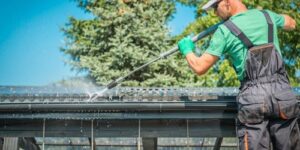
  • Gutters are checked and cleared so they don’t overflow during the rinse.
  • Siding and windows get rinsed before and after to prevent splashes.
  • Landscaping around the house is covered or watered down to keep it safe.

Gold Star Pressure Wash uses custom-blended, eco-friendly cleaning solutions and commercial soft wash equipment to safely treat stains, algae, moss, and mildew buildup for homes throughout Nassau and Suffolk Counties. Every project is supervised by owner Johnny, and our process includes property safety protections and careful attention to surfaces, siding, and landscaping.

Soft washing gives us control. It cleans deeper than surface rinsing, without the risk of tearing into the roof. That’s why it works better for long-term care.

What Rinsing Leaves Behind After Winter

Winter storms carry more than snow. Rain, wind, and ice pull dirt off trees, roofs, and the road, and it doesn’t just disappear. In early spring, we’re often left with dark patches, runoff stains, or tiny flecks clinging to the roof’s edge. These signs usually point to deeper buildup that water alone won’t remove.

Even with a mild winter, moisture hangs around. That moisture tucks itself deep into the roof’s top layers, bringing in seeds, moss, and algae all at once. Then spring rolls in, and that mix starts growing again. A quick rinse might make the surface look better, but those layers underneath haven’t gone anywhere.

  • Shingle edges start growing moss where water lingers longer.
  • Dark streaks stretch down the roof line, spreading each time it rains.
  • Grit gathers at the base of the fascia, marking where buildup has settled.

A full clean at this time clears it early, before that buildup dries into place or worsens during rainy weeks ahead.

Why Professional Roof Washing Works Better Long-Term

Cleaning the surface isn’t enough to keep a roof in good shape. It’s the layers beneath that often cause problems later on. When we clean thoroughly, we reset more than just the outside of the roof, we help the whole roofing system work better.

Professional roof washing removes buildup that blocks runoff or traps moisture. When roofs dry faster, moss and algae don’t grow as easily. That clean surface doesn’t just look better, it works better too.

Here’s what a full clean can help with:

  • Rainwater flows smoothly across shingles and into the gutter system.
  • Fewer spots for algae or mold to grow back and spread.
  • Less grit wearing down shingle edges or landing in gutters.

By resetting the roof before warmth and humidity return, we give it the best chance to stay cleaner and stronger all season long.

Clean Surfaces Now, Fewer Headaches Later

Early spring brings just the right conditions to clean the roof safely and thoroughly. Days are getting longer, and the weather is warming up enough to dry the surface after a professional wash. Waiting too long means more growth, more moisture, and more chances that small issues turn into repairs.

We get it, roof cleaning can feel like something to put off. But it’s easier to handle now, before spring rains hit and summer heat sets in.

  • A clean roof makes it easier to spot wear or small damage early.
  • Clearing off buildup now lowers the stress on shingles later in the season.
  • Moss and algae won’t start spreading once the humidity kicks up.

Getting ahead of roof care doesn’t have to be complicated. A single deep clean clears months of grime and sets up the surface to do its job, protecting what’s underneath without trouble. When the roof is taken care of early, everything else around the home follows more smoothly.

Early signs of roof staining or streaks this spring are best addressed now before warmer weather makes the buildup harder to manage and gives algae and moss more time to spread. Our team tackles what basic rinsing can’t, giving your shingles the refresh they need after a Long Island winter. Discover more about our approach to professional roof washing and how our safe, effective methods are made for your home’s needs. Reach out to Gold Star Pressure Wash today and let’s get started.

Is Driveway Pressure Washing in Spring a Good Idea?

Spring is when most people start noticing everything around their home again. Leaves are raked, gardens are prepped, and patios get swept. It’s also the time when outdoor surfaces, like driveways, really start to show the wear and tear winter left behind.

Driveway pressure washing often comes up as part of the spring clean-up. It’s one of those things that seems simple, but the results go well beyond looks. After months of snow, road salt, mud, and ice melt, a driveway can end up with layers of grime that a quick rinse just won’t remove. Spring isn’t just a good time for pressure washing, it’s the best time.

Winter Leaves Behind More Than Just Dirt

Cold weather takes a quiet toll. While everything is frozen, it’s easy to miss what’s slowly building on the driveway. Once the snow melts and the weather warms up, what’s left behind becomes clearer.

  • Snow and ice push dirt, oil, and grit into the driveway surface.
  • Salt spreads from roads and walkways, often leaving a white crust that clings to the pavement.
  • As cars come and go, they track in water and grime that settles into cracks and crevices.

We’ve seen how putting off cleaning allows those stains to set even deeper. The longer they stay, the tougher they are to remove without damaging the surface. Even natural spring rains won’t reverse the impact. So when we start seeing patchy areas, faded colors, or dark streaks near where tires sit, those are signs it’s time to take action.

Why Spring Weather Helps Cleaning Work Better

Once spring settles in, the temperature and conditions are just right for outdoor cleaning to actually work. We’re well past freezing, but not quite into humid summer heat. That sweet spot makes pressure washing more effective and helps the surface dry evenly afterward.

Cleaning early also helps avoid other seasonal messes. Once trees start blooming, pollen and leaves begin building up again. Cleaning ahead of that gives us a fresh base, not just on the driveway but for everything around it.

It’s not just about winning the battle against dirt. There’s something about having a clean driveway early in the season that makes everything else feel ready too. It sets the tone for the rest of spring and summer cleanups. Once that space is reset, the rest falls into place more easily.

What Rinsing Misses and Pressure Washing Handles

We’ve all done it, aimed the hose at the driveway, watched a little dust wash away, and called it good. The surface might look better for the moment, but that rinse doesn’t get down into the material the way pressure washing does.

Concrete and pavers are more porous than they seem. Dirt settles well below the surface. Oils and road salt slide into tiny spaces and sit there until something stronger moves them out. That’s where true driveway pressure washing comes in.

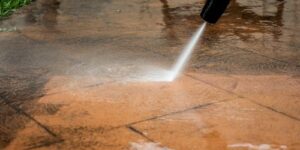
  • The pressure breaks down and lifts stains that water alone can’t reach.
  • It clears out the tiny gaps where weeds and moss often begin to grow.
  • It helps restore the driveway’s natural color by removing dull buildup.

Gold Star Pressure Wash uses commercial-grade equipment, eco-friendly detergents, and surface-safe methods to remove stubborn stains, built-up grime, and old salt from any type of driveway. Every job is personally overseen by owner Johnny, ensuring quality care for both concrete and paver driveways in Nassau and Suffolk Counties.

Without that deeper clean, those old stains stay locked in and keep the surface looking tired. That’s why we treat driveway cleaning as more than just a rinse, it’s a reset.

Long-Term Benefits of a Clean Driveway

Cleaning now doesn’t just solve a seasonal problem. It can help extend the life of the surface, keeping trouble away before it starts. A smooth and clean driveway sheds water better and dries faster, which helps reduce slip spots or ice buildup when temperatures drop again later in the year.

It also makes everyday life a little easier. Walking out with groceries or pulling in with the car feels better on a clean, clear surface. Weeds don’t stand a chance, and moss doesn’t get a foothold. The cracks stay clearer, and the overall structure holds up longer.

  • Clean surfaces resist new grime better than ones already coated in build-up.
  • Clearing out salty residue helps prevent surface flaking or early crumbling.
  • Keeping the area clear makes it easier to spot small damage before it spreads.

When we look ahead to summer gatherings or driveway projects, it feels better knowing the space underneath was taken care of early. Clean surroundings tend to stay that way longer, giving peace of mind for the season ahead.

Start the Season Off with a Clean Slate

Early spring is a perfect stretch of time for outdoor washing. Temperatures are mild, surfaces dry out quickly, and buildup from winter hasn’t sunk in too deep yet. Getting to it now means less hassle later, with better results all around. It’s a smart way to reset the driveway before pollen, heat, and heavier activity pick up.

By clearing away winter’s wear while it’s still fresh, we give the surface a better chance to shine and stay that way. And in doing that, we help the rest of the yard and home feel ready too. A clean driveway acts like a welcome mat for the rest of what spring brings, calmer routines, longer days, and pride in starting everything off the right way.

When winter grime starts to take over your property’s curb appeal, cleaning the surface early makes all the difference. Warmer spring air and lighter foot traffic give us the right window to reset hard surfaces before summer wear sets in. That’s why we always recommend scheduling driveway pressure washing before the season gets too far along. At Gold Star Pressure Wash, we treat it not just as cleaning, but as a way to protect what you depend on every day. Give us a call and let’s get your driveway ready for the months ahead.

How Residential Pressure Washing Freshens Up for Spring

Once the weather shifts and we start opening windows again, spring cleaning naturally moves outside. After spending months indoors watching snow and sleet pile up, we’re ready to give the whole property a fresh start. Residential pressure washing is one of the easiest, most effective ways to wash away winter and get your home looking sharp again.

The cold season tends to leave more behind than we expect. Between salt, dirt, and grime, surfaces around the house quietly collect buildup that doesn’t rinse off easily. By spring, walkways, siding, and outdoor steps are often stained or streaked. That’s where a proper exterior cleaning makes all the difference. Getting started now helps reset those key spaces just before the busy outdoor season picks up again.

What Winter Leaves Behind on Residential Surfaces

Winters on Long Island can be messy. Snow isn’t just snow. It brings with it dirt from the road and salt meant to keep things safe, but over time, all of that gets pressed into surfaces around the house.

  • Walkways and steps often end up coated in salt streaks and sand that settle deep into the surface.
  • Driveways see oil spots and tire marks that mix with melting snow, leaving behind dark patches.
  • Siding picks up grime from the air and gutters, especially on shaded sides of the house.

Once temperatures rise, all that buildup doesn’t just disappear. We may notice green or black spots creeping in near corners or shaded walkways. That’s usually mildew or algae starting to grow. When that sits for too long, it becomes more than just a cosmetic issue. It can make surfaces slick and harder to walk on, even in dry weather. Cleaning early in the season helps stop that cycle before it becomes harder to fix.

Why Spring Is the Best Time to Pressure Wash

Spring hits a sweet spot when it comes to outdoor work. It’s warm enough to clean, but not so hot that everything dries too quickly or streaks. With fewer leaves falling and minimal pollen early in the season, there’s a window of time where cleaning lasts longer and the results show better.

  • Mild temperatures help the surfaces soften enough for grime to release during cleaning.
  • We’re past the risk of freezing temperatures that could leave water behind to refreeze.
  • Surfaces have time to fully dry before we start planting gardens or preparing patios again.

A spring cleaning clears the way for the rest of our projects. Whether we’re planning cookouts, repainting the trim, or just putting out patio furniture, it feels better when we know our surfaces started out clean.

How Pressure Washing Improves Curb Appeal and Safety

That fresh, clean look doesn’t just feel nice, it’s noticeable. Whether we’re pulling into the driveway or having people over, a freshly washed exterior gives off a clear sense that the place is cared for.

  • Dirt and streaks on siding or driveways fade the look of a home, even when everything else is tidy.
  • Dingy walkways don’t just look bad, they can be slick too, especially when moss or algae grows.
  • Cleaning regularly reduces stains and grime that would otherwise wear surfaces down over time.

Gold Star Pressure Wash uses commercial-grade equipment and eco-friendly solutions to safely remove stains, grime, and algae from siding, walkways, patios, and driveways. Every project is personally supervised by owner Johnny, ensuring that all details receive the attention they deserve for homes across Nassau and Suffolk Counties.

When we remove dirt and buildup before new layers stack on, we help the surfaces stay strong longer. Prevention is key, and a once-a-year cleaning can make a big difference. It’s a simple step that brightens up the outside and helps keep everyone a bit safer as they move around.

What Residential Pressure Washing Can Reach That Hoses Can’t

Spring rain or a quick spray with the garden hose might make things look better temporarily, but it doesn’t get to the root of the problem. Most outdoor surfaces are rough or textured enough to hold onto dirt in ways we don’t notice right away.

Residential pressure washing is different because it doesn’t just clean what we can see. It lifts and removes the grime that’s settled deep into places like:

  • Concrete driveways and front steps
  • Brick walls or paved paths
  • Vinyl siding or wood trim around windows and doors

Our specialized approach means that we can also offer window cleaning and gutter services, making your spring refresh more complete. With a combination of the right tools and techniques, Gold Star Pressure Wash helps extend the life of key outdoor surfaces, keeping your home looking its best.

Cleaning these areas properly helps stop the slow wear that comes from trapped moisture and stuck-on dirt. Mold and mildew grow in hidden corners, especially in shaded spots. It’s not always obvious until it’s already taken hold. Professional cleaning tools wash those layers away instead of just moving the dirt around.

A Seasonal Refresh That Lasts

Starting off spring with a full exterior wash helps everything look and feel ready for warmer weather ahead. From top to bottom, these surfaces hold onto less dirt once they’ve been cleaned, which means they stay in better shape all the way through summer.

Early cleaning not only saves time later, it makes the whole house feel lighter. We see the color in our patio pavers again, the walk to the front door feels brighter, and we don’t have to worry about slipping on leftover grime. It’s a small step that makes a big difference.

And after the long, cold months, it feels good to see the home freshened back up. It’s a clear sign that winter’s behind us. Getting it done now also means we can enjoy the season ahead without another thing on the list. When surfaces feel clean and ready, the rest of spring tends to follow.

Now is the perfect opportunity to refresh your home and get it ready for the sunnier months ahead. We’ve seen firsthand how much brighter and cleaner a home feels after a thorough cleaning once that spring sun appears. Regular upkeep like residential pressure washing goes a long way in keeping your siding, walkways, and patios in top shape for the season. At Gold Star Pressure Wash, we’re proud to help homes across Long Island look their best every spring. Reach out to us to schedule your seasonal cleaning today.

Request a free quote